Research
Ocean Turbulence
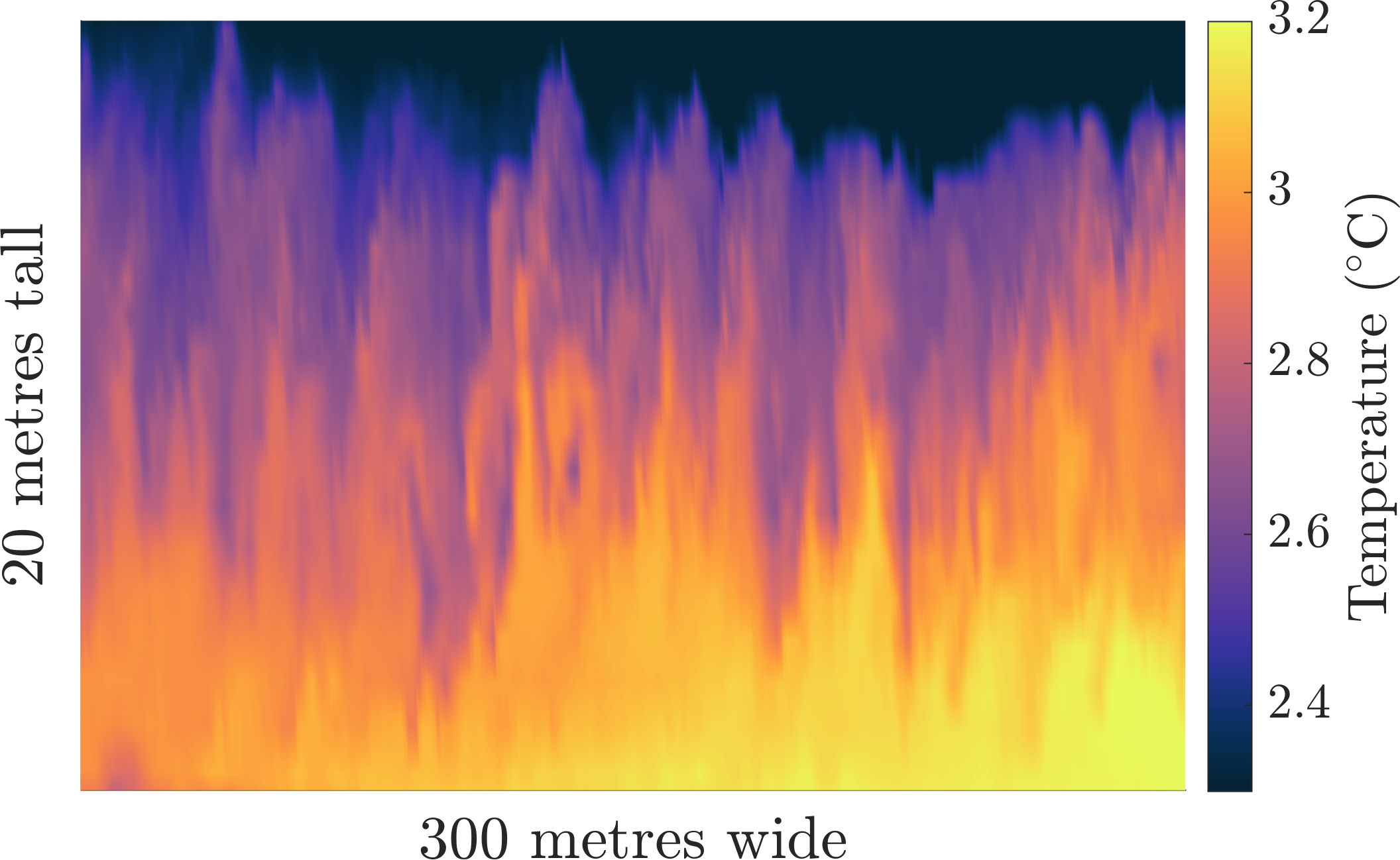
Ocean turbulence plays a vital role in the earth system. The ocean absorbs over 90% of the excess heat trapped in the earth system due to human emissions. This heat is transported to the deep ocean via a combination of the ocean circulation and turbulent mixing.
- How much turbulence is there in the interior ocean and at its boundaries?
- How does this turbulence interact with a changing climate?
- As the earth warms, will rates of turbulence change?
I am interested in the causes of ocean turbulence. Specifically, a mechanism known as double-diffusive convection, on which I wrote my PhD thesis.
Submesoscale Dynamics
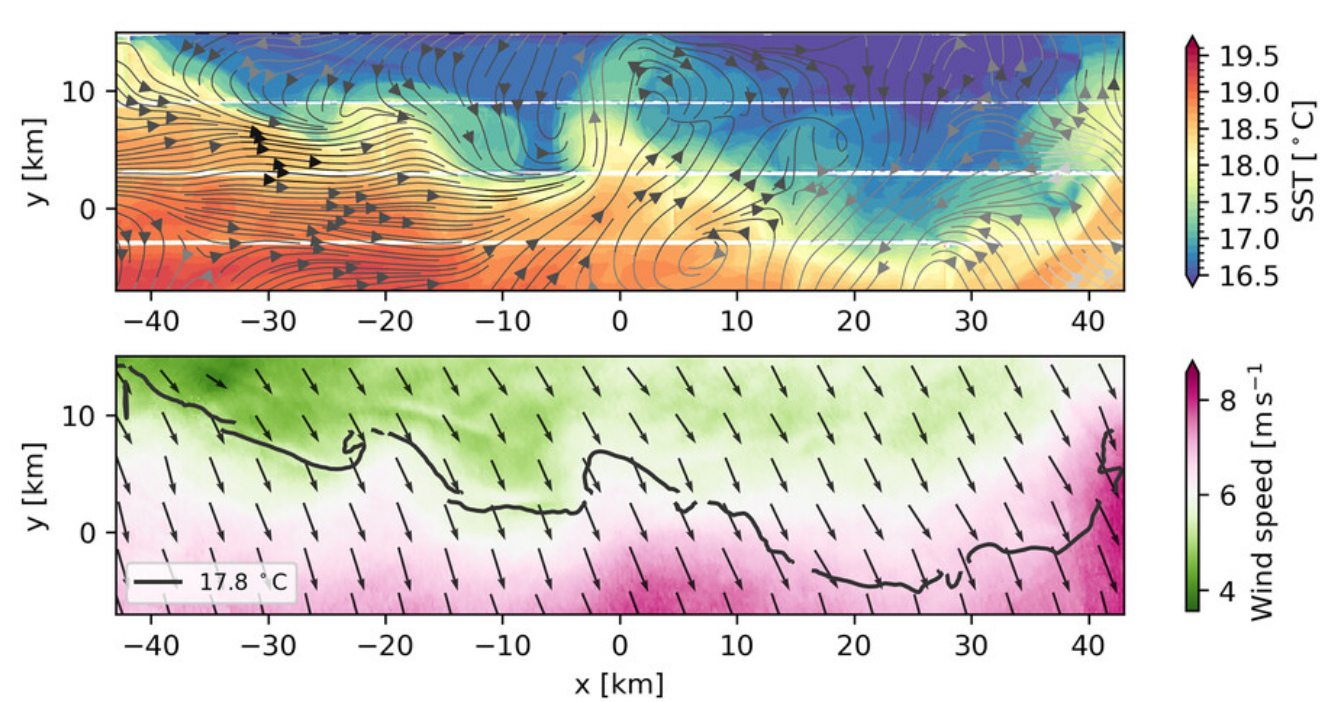
In the ocean, 'submesoscale' refers to particularly intense eddies and currents, where the inertial forces rival the earth's rotational effects. These effects tend to occur at scales between 1 and 10 kilometers.
- What role do submesoscale dynamics play in the ocean's heat transport?
- How do these dynamics interact with sea-ice and ice shelves?
- What are the implications of submesoscale dynamics for marine ecosystems?
My research is particularly concerned with how the intense flow curvature at submesoscales affects their evolution and interactions with turbulence.
Ice-Ocean Interactions
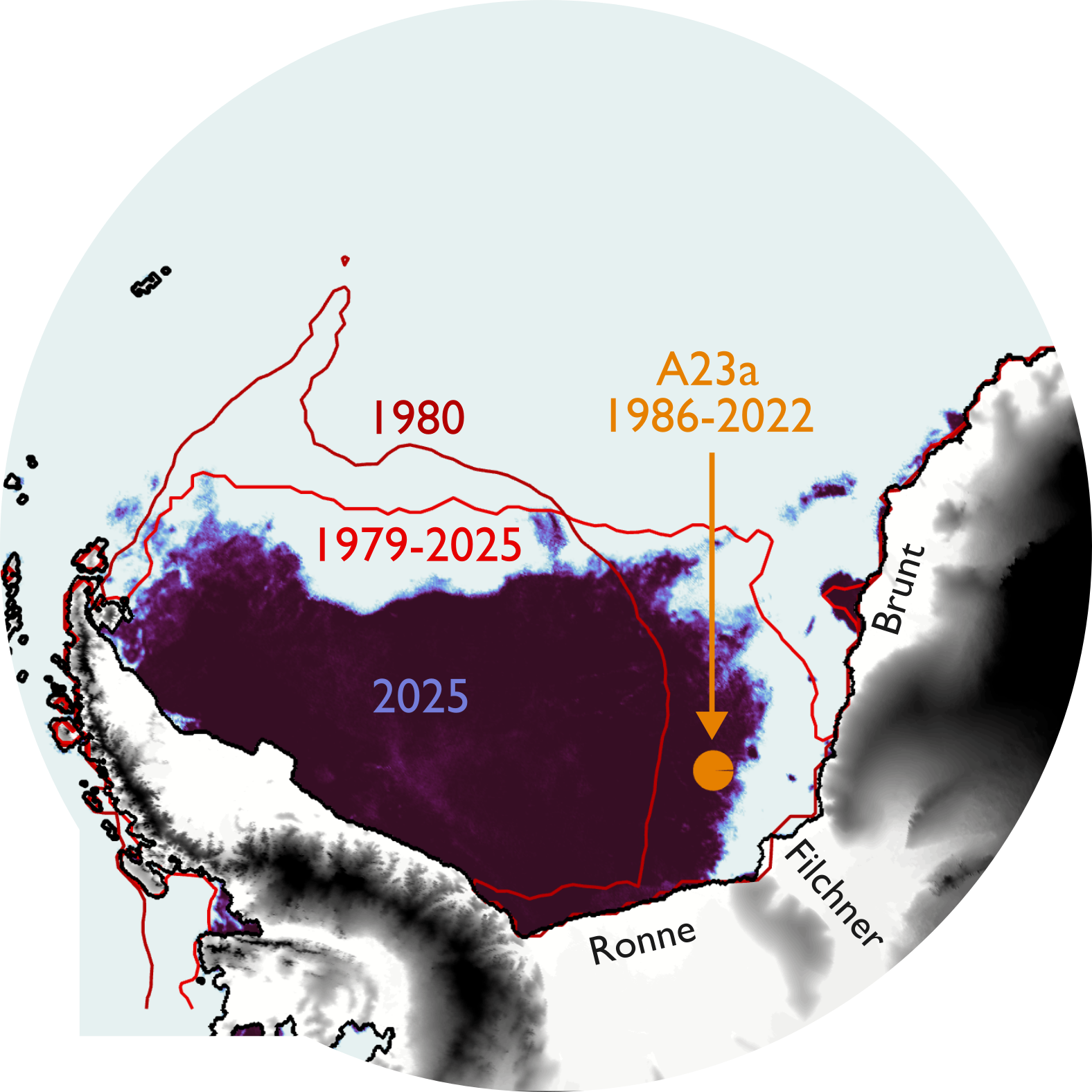
As the climate warms, naturally occurring ice is at threat. The normal formation cycles of sea-ice are being disrupted, and the great ice sheets of Greenland and Antarctica are losing mass at an alarming rate.
- How can we accurately parameterize ice melting in climate models?
- What are the feedbacks between ice melting/freezing and ocean dynamics across scales
- How will changing ice conditions affect the ocean and climate system?
I am concerned that we still know very little about the small-scale processes that govern ice melting, particularly regarding turbulent mixing and submesoscale dynamics.